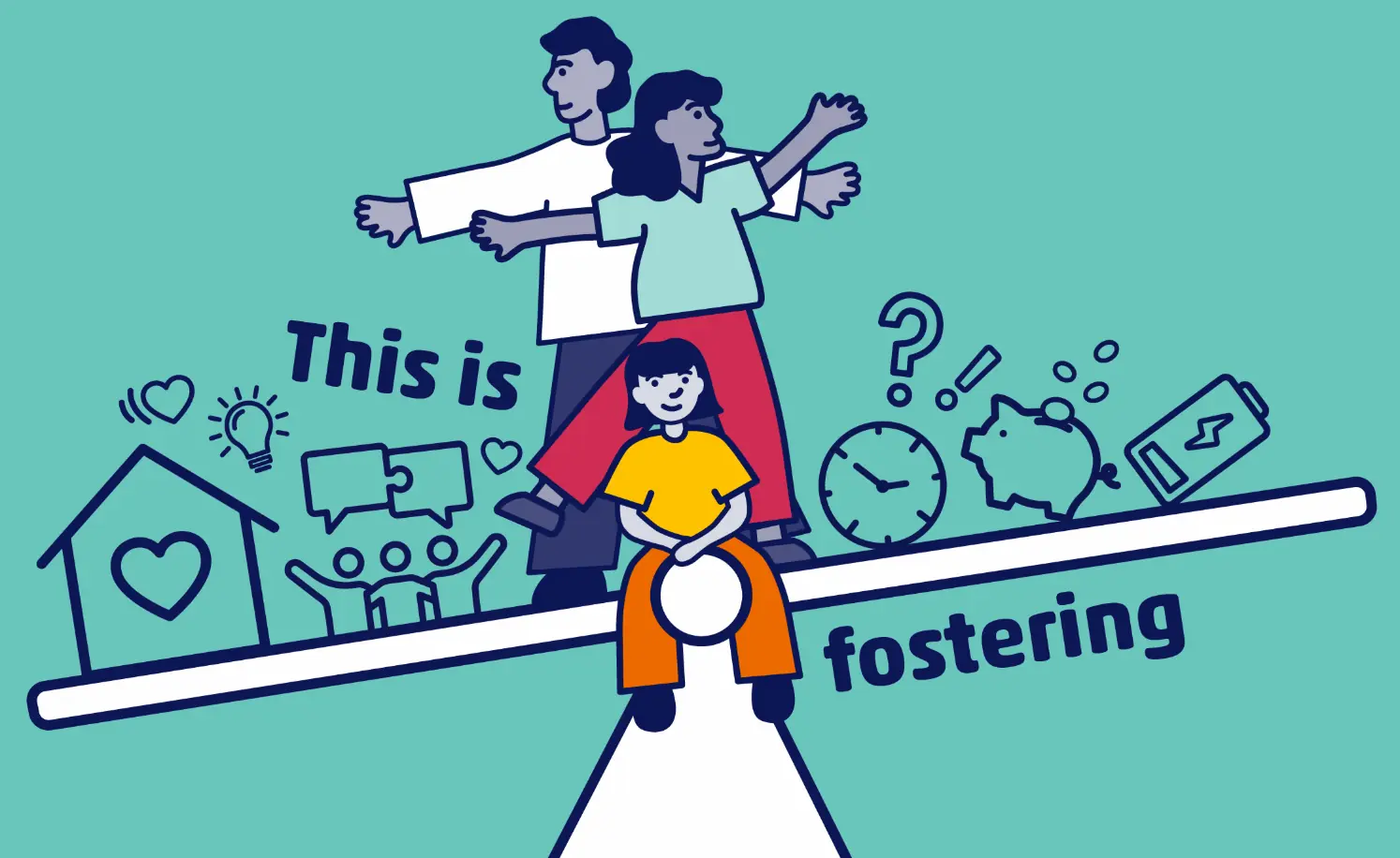
Foster Care Fortnight – This is Fostering
What is Foster Care Fortnight?
From 11-24 May 2026, communities across the UK will be marking Foster Care Fortnight™, The Fostering Network’s annual campaign to raise awareness of the incredible impact of foster care, and to encourage more people to consider becoming foster carers.
What is this year’s theme for Foster Care Fortnight?
This year’s theme, ‘This is Fostering’, shines a light on the everyday realities of fostering, raising awareness of the profound impact foster carers have on children’s lives. It celebrates the skills, commitment and love they show, often in incredibly challenging circumstances.
What are the everyday realities of fostering?
Tracey’s Fostering Story
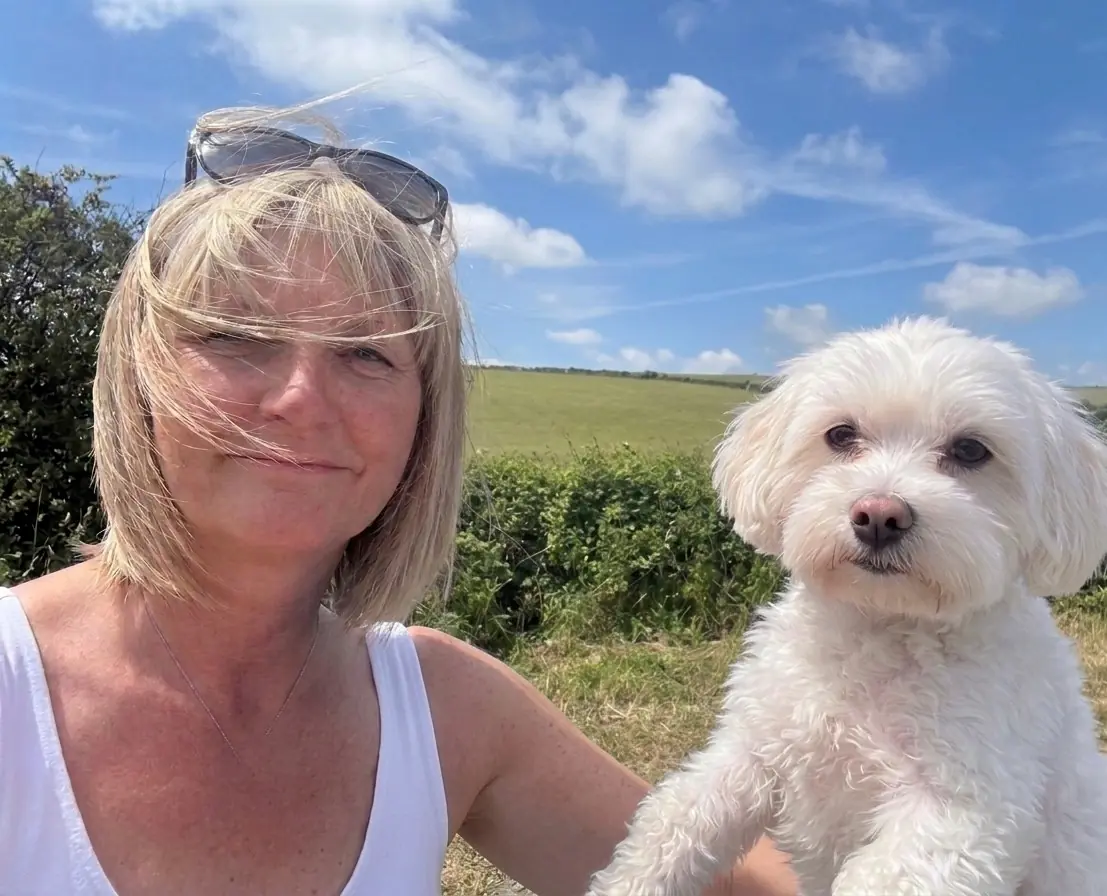
Over the years, I’ve learned that fostering isn’t found in a handbook. It’s found in the quiet moments no one else sees.
My fostering journey began with two little boys. They were small, polite, and unsure of everything. One of the first things we did was take them shopping so they could choose a few things of their own – a school uniform, shoes, bedding, and little bits that made their eyes light up.
The next morning, one of them stood in front of the mirror, turning slowly, taking himself in. Then he smiled and said, ‘I look like everyone else.’
When we got to school, he didn’t walk in, he ran! His teacher later told us how different he seemed – calmer, proud – like he finally felt he belonged.
But fostering isn’t just those lovely moments.
A few days later, we noticed he’d damaged some of the things he’d chosen. When we gently asked why, he said, ‘So we can’t sell them.’
That sentence winded me.
It was a glimpse into a world where nothing was safe, nothing was truly his, and love was something you didn’t dare trust. He’d learned to protect himself by letting go before anything could be taken. It’s the kind of moment that stays with you – the kind that changes the way you see every child who walks through your door.
If we want to change a child’s story, we have to support their parents too, which is one of the reasons I moved into Parent and Child fostering.
It means caring for parents and their babies while they learn – often for the first time -what a safe, nurturing home can feel like. Many have never experienced that kind of care themselves. We encourage them, stand beside them, and give them the dignity and space to learn.
When a mother and her baby walk through my door – not as an arrangement, but as a family standing on the edge of something frightening and fragile – I see the quiet terror in a new mum’s eyes, the unspoken fear that if she slips, if she gets it wrong one more time, she might lose the heartbeat of her life forever.
For my children, fostering is a profound education in empathy. But it is also a sacrifice. They share their parent with someone who may be in crisis. They learn that when a social worker knocks on the door, their own needs might have to wait. Sometimes we miss things. Sometimes we say no to plans. Sometimes we ask people not to visit. Our lives bend and stretch around the needs of the parent, while we try to keep everyone safe. And the impact on our children is real – and often invisible.
My family sees everything: the midnight feeds, the tears of frustration, the breakthroughs. We are not just observers. We are the safety net. But holding that net comes with weight. We want the best for the baby… yet we must remain objective for court. We have to be the calm in the storm – even when the storm is happening in our own living room.
Crucially, we don’t model perfection. We model repair. Consistency is essential, but we are still human. When we get it wrong, we show the parent what a healthy family does next: we apologise, we listen, we move forward. Sometimes that lesson is more powerful than anything else they see.
But there is also something profoundly positive. My children receive an invisible education that no school could ever provide. They don’t just learn about adversity, diversity, or resilience. They live it. They learn that family isn’t just about blood. Family is about who you show up for. They see courage, growth, and compassion in action. They are growing up with a global perspective – from inside their own four walls.
And if, while you’re reading this, there’s a small voice saying, ‘Maybe I could do this’, I’d really encourage you to explore that feeling. Families don’t need perfect people. They just need someone who will show up – someone who will let a child twirl in front of a mirror with pride, and let a parent know, maybe for the first time, that they are not alone.
And that someone could be you.”
Lucy’s Fostering Story
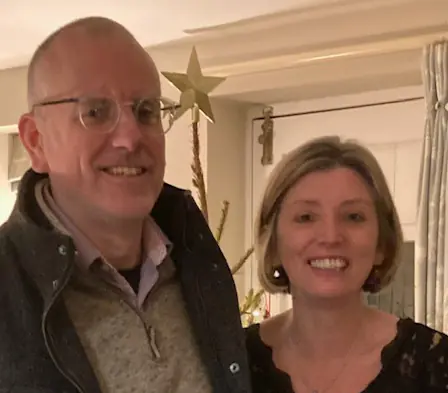
‘Thank you for everything you have done for me. I feel like I have been on holiday.’ These were the parting words of a young teenage lad as he left to move to his long-term home. He had come to us straight from his family home.
From the beginning, the evening routine in our home took longer than usual. He had never been given a drink of milk in bed, never read to, never been given a hot water bottle at night, never had fairy lights switched on for him when he didn’t like it dark, never had a bubble bath run for him. He loved it all, stretching out the attention for as long as we would allow him.
It’s a myth that’s important to bust that children are grateful to be in your home, that they willingly accept your love and help, that they are thankful for every meal you thoughtfully prepare for them. Fostering is about providing safety and stability for children coming from dangerous or difficult situations, but the children don’t always see it that way. They are entering your home from a place of loss and grief. We don’t expect them to be thankful.
Fostering has got to be about the child’s needs, not the carer’s. It takes a lot of honest soul searching to be in a healthy place to look after and serve our most vulnerable young people in society.
But the rewards are huge.
It is also a myth that birth children in the home easily become collateral damage along the way. Of course, our own 3 children were our first concern when we set out as a family to foster 10 years ago. But they would all tell you that fostering has helped make them who they are today. We make decisions as a family, gather round a young person as a family, and more often than not, it is one of the children who is able to ‘reach’ our foster child by playing a game, listening to music, doing make up or going to buy ice cream.
So, when the words of ‘thank you for everything you have done for me’ do come, they mean the world to me. They are words that I cherish forever.
Graham & Sarah’s Fostering Story
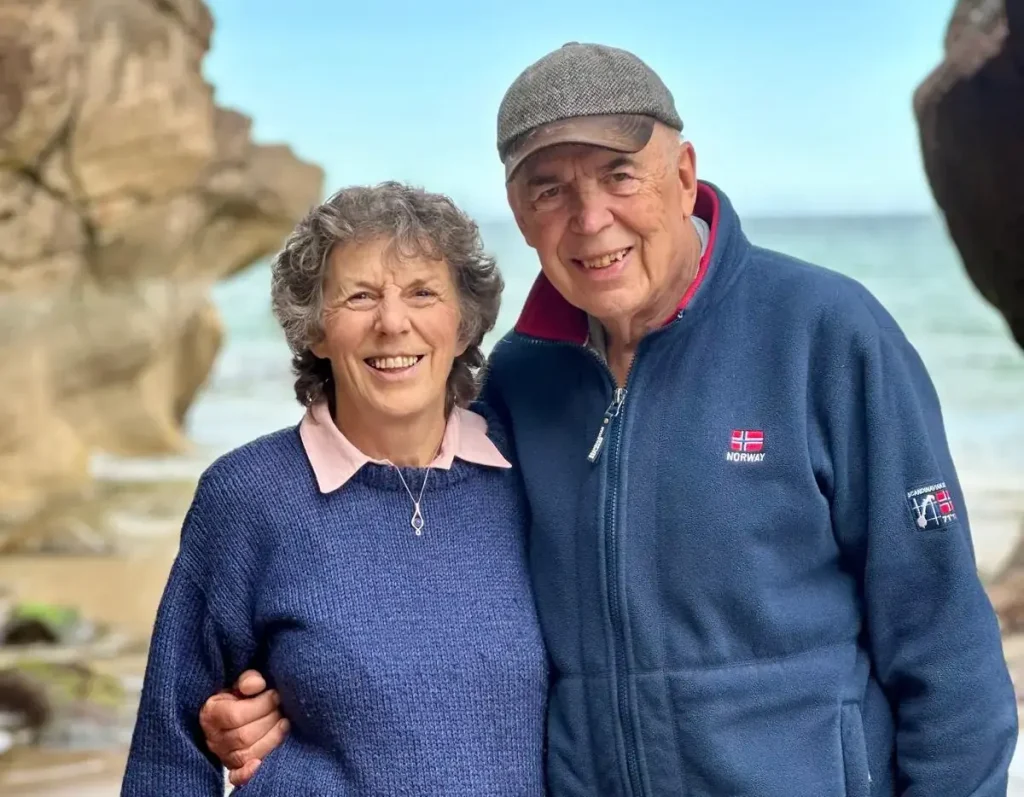
Foster Carers, and Home for Good Champions, Graham and Sarah have been fostering for over 20 years. They told us: “We never expected fostering to provide such a supportive community!
Having cared for children and young people for 21 years, we are now helping other Foster Carers by providing stayovers when needed, for the children they care for. We benefitted hugely from this years ago.
Our family has been great at helping too, whether it’s the grandchildren playing with children we care for, or our birth children stepping in for back-up support. Our youngest son and his family have started fostering themselves!
One of the many privileges along the way?
Seeing a girl who spoke no English when she came to us, now in her third year of university and about to become a British Citizen.
We are still in touch with her and many others. The supportive community goes on!”
Feeling inspired to find out more about fostering?
If you would like to chat to a member of the fostering team, contact Fostering West Sussex today.