Making Spaces: Creating more homes for the children we care for across West Sussex
Every child deserves a safe, loving and stable place to call home. In West Sussex, more than 1,050 children are currently in our care, and we need more local foster families to help meet their individual needs.
We know that many people have the qualities and experience to become excellent foster carers, but are unable to take the next step because of their housing situation. Meanwhile, we already have amazing carers who would love to be able to support more children, but are limited by space.
That’s why we’re proud to have developed Making Spaces – a project designed to help remove some of the barriers and open up the potential of carers’ existing homes.
What is the Making Spaces project?
The Making Spaces (Fostering) project aims to address the critical shortage of foster carers caused by housing constraints, financial barriers, and systemic challenges in the rental market. Rising costs, restrictive regulations, and misconceptions about fostering have significantly reduced the availability of carers, leading to fewer enquiries and increased pressure on children’s services.
Making Spaces brings together West Sussex County Council teams and external partners to explore practical ways of creating more room for children to live with fostering families or supported lodgings hosts. This includes working with landlords, housing providers and other organisations to develop a greater understanding of fostering, and identify solutions that work for carers, children and homeowners.
The project explores:
- Home adaptations and other ways to create additional bedroom space.
- The innovative Garden Pods project to harness existing outdoor space.
- Working with partners to explore housing options for people who want to foster.
- Developing partnerships to explore changes to the lettings system.
- Resources to help housing providers understand what fostering is and to address misconceptions.
The aim is to make better use of the homes and spaces that already exist, while ensuring adaptations are carefully planned, responsibly sourced and appropriate for each family’s needs.
Why is Making Spaces needed?
Around 21% of children in West Sussex currently live with foster families or Supported Lodgings hosts. More than a quarter live with Independent Fostering Agency carers, sometimes a long way from their home area, while some children and young people are living in residential care and other settings, even though their needs might be best met in a family setting if more homes were available.
Having more local foster families would give us greater choice when matching children with carers. Good matching is vital to help children feel cared for, accepted and understood, and they are more likely to settle and remain with a family for as long as they need to.
We want to recruit people based on the qualities, skills and commitment they can offer – not simply the size or type of property they live in.
We also want to invest in our existing carers. The initial outlay for adaptations is significantly offset by the cost saving of moving a child from residential care to one of our fostering families. This is also often the best option for our children, giving them the family life they deserve.
Read about Foster Carers’ successful home adaptations projects…
For Holly and Gary, fostering has always been about giving children the best possible childhood while they are part of their family. Since becoming approved foster carers in 2020, they have welcomed several children into their home. Some have returned to their birth families, some have moved on to adoption and two have become part of Holly and Gary’s forever family.
As their family grew, their three-bedroom home became increasingly crowded. With no spare bedrooms, they found they were realistically only able to care for newborn babies. They wanted to continue fostering and welcome children with a wider range of needs, but the size of their home was limiting what they could offer.
A conversation with a councillor introduced Holly and Gary to West Sussex County Council’s Carer Adaptations Fund. After speaking with their supervising social worker and considering how the funding could help them continue fostering, they put forward their application.
The process involved reflecting on their fostering experience, commitment and involvement in the community, as well as exploring how additional space would benefit children in their care. Holly and Gary worked with an architect to develop plans for an extension and applied for planning permission before their funding was approved.
From first hearing about the fund to completing the work took around two and a half years. The building work brought plenty of excitement for the children, who enjoyed watching the builders, having breakfast in the garden playhouse and even taking a turn in a digger. Although there was noise and disruption, they were fascinated by the transformation taking place around them.
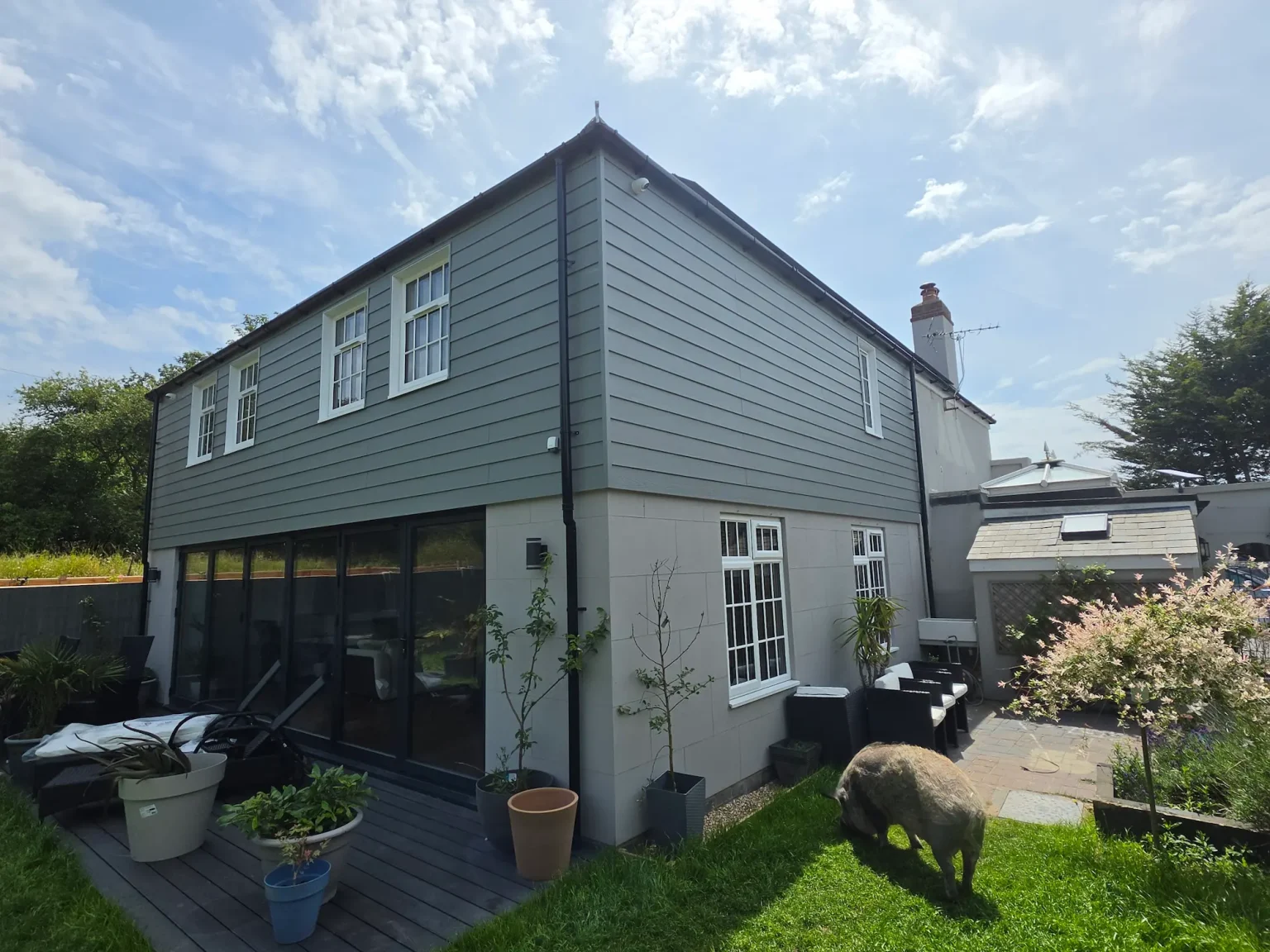
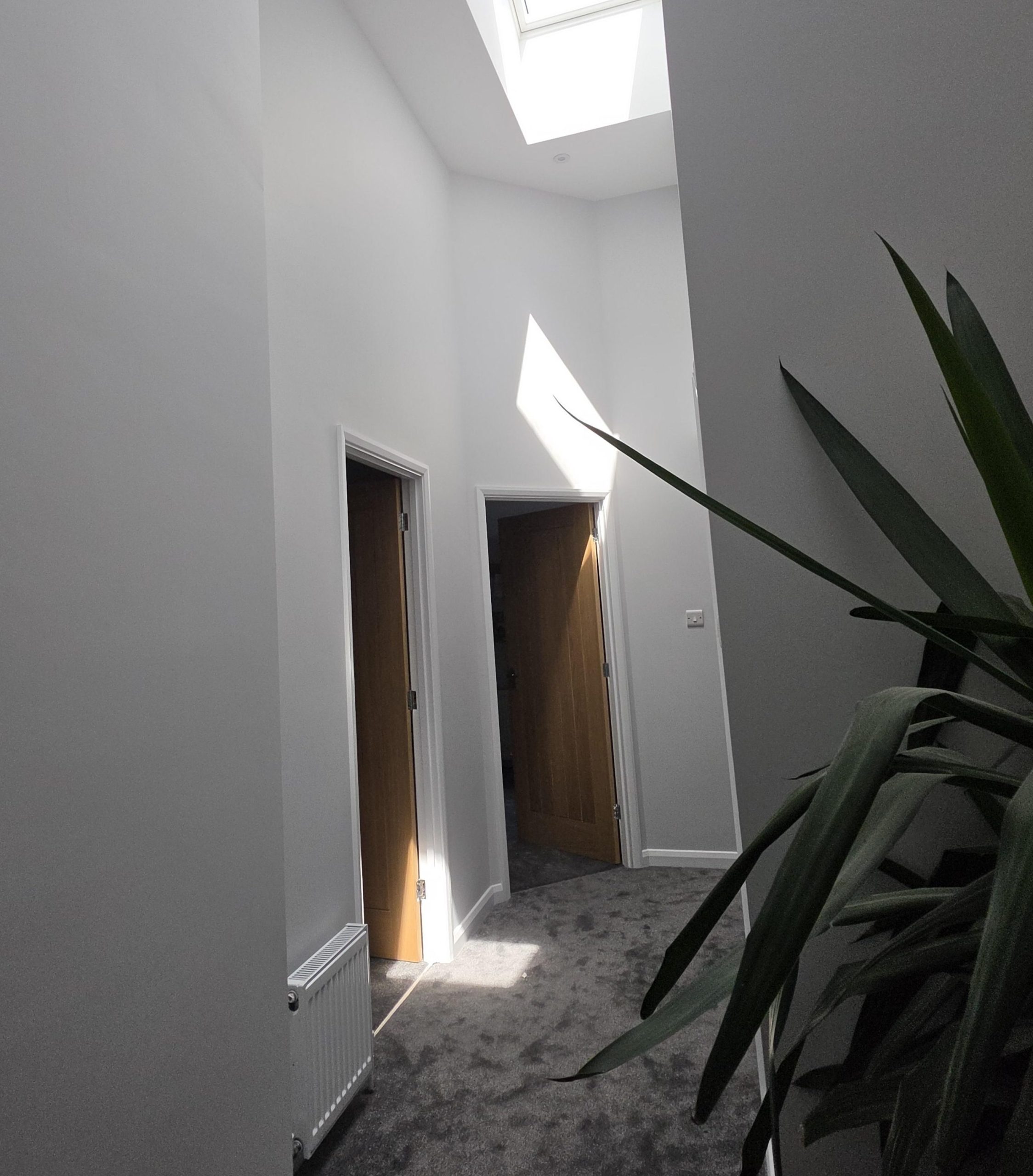
The finished extension has made a huge difference. It includes three new bedrooms, one with an en-suite, a family bathroom and a large downstairs living area. This has been divided into a quiet lounge and a dedicated playroom filled with toys and dressing-up clothes.
The additional space meant Holly and Gary could welcome two more children – children they would not have been able to care for in their previous home. In fact, the new bedrooms were needed before the building work had even finished.
Moving from two children to four has been a busy and sometimes challenging transition, but the whole family has adapted. Holly and Gary describe becoming peacekeepers, therapists, playmates, hairdressers and much more. The children have formed strong relationships with one another, and each now has their own space to retreat to when they need some quiet time.
For Holly and Gary, the Carer Adaptations Fund has helped turn a long-held dream into reality. As they say:
“Since we started fostering, we’ve been deeply in love with helping the children and being part of the community. We feel so thankful and privileged to have been acknowledged and supported in the way we have. Our little dream has now come true, and to be able to bring children home into our space and give them what they deserve feels pretty amazing.”
Their experience shows how practical changes to a home can open up new opportunities for fostering. Through Making Spaces, we are working to help more people overcome housing barriers and create safe, loving homes where children can feel cared for, accepted and able to thrive.
Read more about Gary and Holly’s fostering experience and home transformation
We have three grown up birth children and one adopted son and we started our fostering journey on my birthday in December 2023 when our first young person arrived – a teenage boy from Sudan. Having lived in Kenya for two years, and with our adopted son being of mixed heritage, we decided to focus on fostering unaccompanied asylum-seeking children – particularly because we felt teenagers would be a better fit with our family.
Originally, we were only approved for one child, as the youngest grown-up son still needed to use his bedroom in the University holidays, so we only had one spare room. But we did manage to take in some children in an emergency, using his room while he was away. This made us realise that we would like to foster more young people, but we weren’t sure how we could do that.
The first young man moved on to semi-independent accommodation successfully and then the second as well, staying in touch as they needed to. In October 2025, our first girl came to stay and we all bonded with her incredibly quickly. In December we took in a girl as an emergency arrangement, who happened to be from the same country, and it felt like our family was complete. We agonised over the fact that we couldn’t keep the second girl long term as my son was returning from abroad and needed to live at home, and our daughter (and new baby) and other son needed somewhere to stay when they came to visit.
Head of Service, Kelly did a presentation about the Garden Pod project. We toyed with the idea of adapting an existing ‘cabin’ in the garden, by adding a bathroom to it but thought that planning and logistics for services to it would be impossible. Then a throwaway comment by Kelly towards the end of her presentation became a lightbulb moment for us as she said, ‘Don’t forget it doesn’t have to be a new bedroom you build, it could be that you reconfigure the way your house works to create a new bedroom elsewhere’.
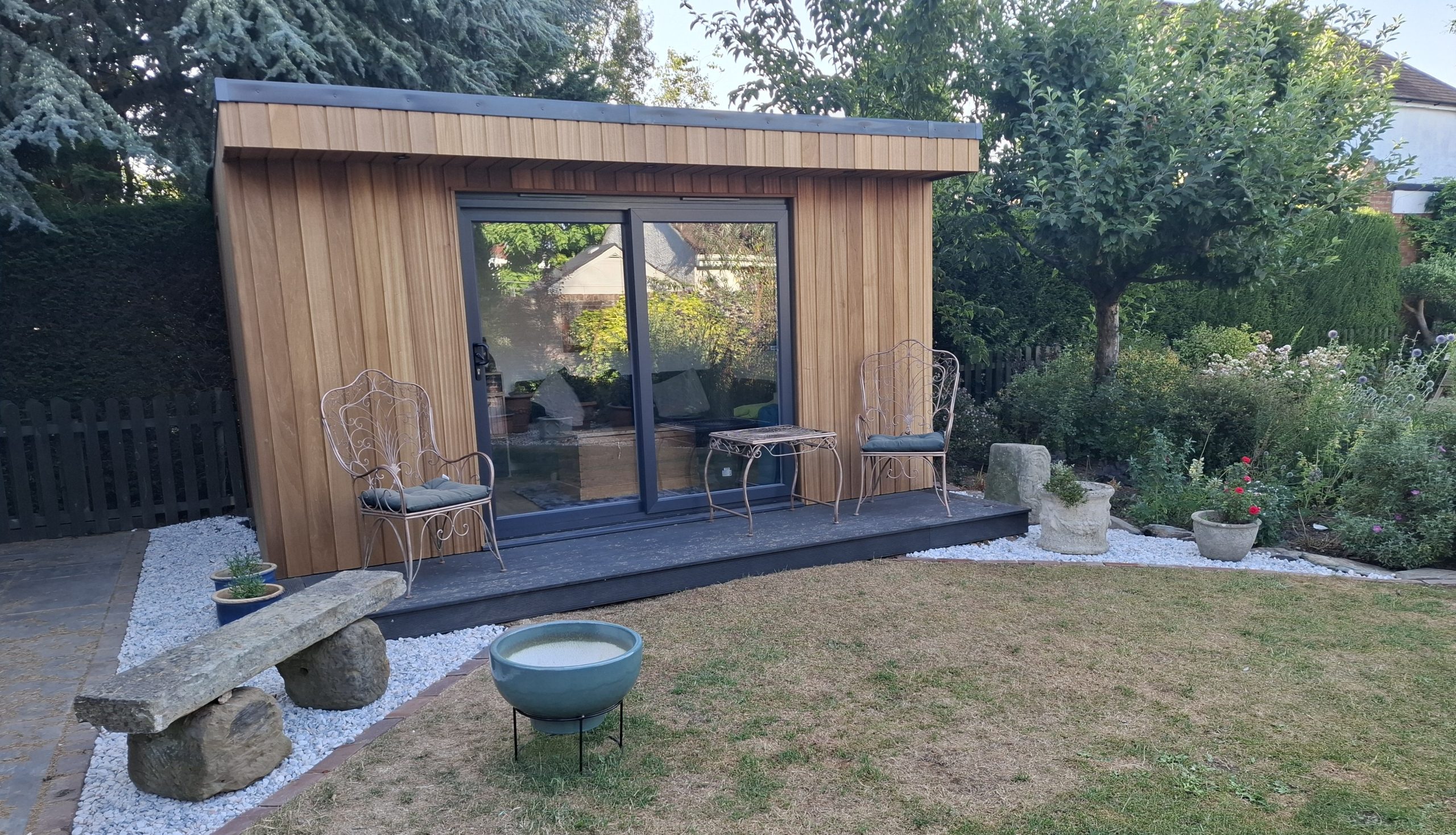
I contacted the team in February and put forward my suggestion that we simply build a garden room that would become the TV room and then the old TV room in the house would become a downstairs guest bedroom. I submitted two detailed quotes and plans and was delighted to be approved. We needed to move fast as my 25-year-old was due to return from his travels in July 2026 so our second fostered girl would need to have a bedroom or would have to move.
Once approved, the only sticking point was with getting the contract and finances in place as we were one of the first carers to get to this stage and we had to call on the help of our lawyer son to get the wording right. The deadline for my window to start the build was approaching (if we missed that window, we wouldn’t be able to accommodate our second girl past July) and it became very stressful to get the contract signed and finances sent through in time to pay the first instalment, but we got there with the Carer Adaptations team pushing from their end and Kelly intervening at one point to make sure the money arrived! We were something of a pilot, so hopefully, our experience means that process is much smoother now for others applying!
The Garden Pod took just three weeks to build and it was great to see my design taking shape. We landscaped around the builders as we wanted it to look lovely as soon as possible. The project was finished with four days to spare before our son came home! It was intense but everyone was very happy.
Our adopted son (the youngest) absolutely loves his new ‘den’ and it has definitely become the boys’ room. Our first girl loves her new bedroom downstairs – it is on the north side of the house so is much cooler and twice the size so she can practice her gymnastics in the room! Our second girl is incredibly happy to be able to stay with her ‘sister’ and ‘mom and dad’. Returning son is very happy to have his bedroom back and the other two, older, children are pleased that the new sofa bed in the den means there is room for them to stay. We are also thrilled that we have now been approved not just to have the two girls permanently but to use our son’s bedroom for emergency and stayover arrangements as and when we can fit them in, so we’ve gone from 1 to possibly being able to care for three young people.
Our girls delight us every day. We thought it might be harder having two (yes there’s more paperwork and more ferrying to appointments, etc) but the companionship the girls provide for each other is invaluable. We are looking forward to offering a bed to a third young person when we can.
Our house is now one full of laughter and support for one another – long may it continue.
Feeling inspired to find out more about fostering with West Sussex County Council?
If you would like to chat to a member of the fostering team, contact Fostering West Sussex today.