Annie’s fostering journey
Tell us a bit about yourself – your background, family, and career
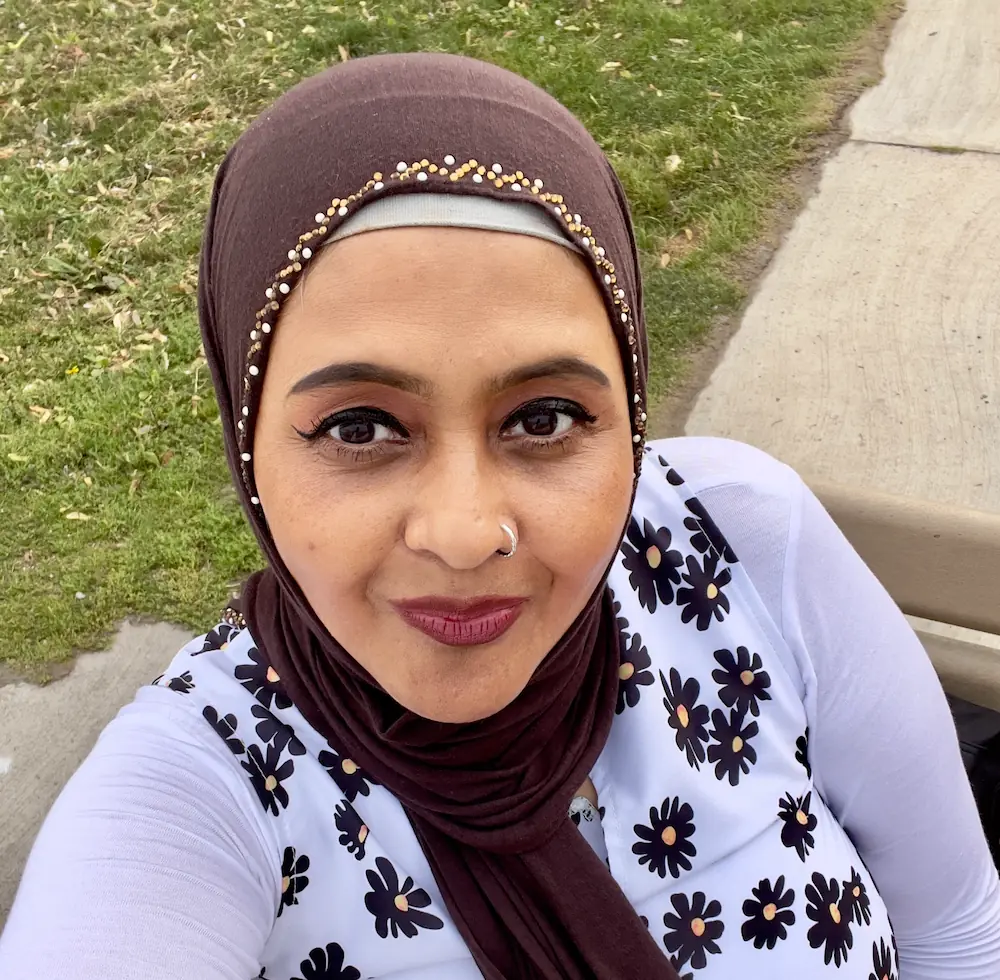
“I’m a wife, mother, and all-around people person — a go-getter by nature. I come from a South Asian background, and my husband, who is a revert from the Caribbean, and I have been happily married for almost 31 years, Alhamdulillah. My professional background is in the hospitality industry, where I’ve enjoyed a rewarding career spanning more than two decades. I started as a receptionist and, through hard work and dedication, progressed to managing hotels, setting them up from scratch, and leading teams to success. I’ve been fortunate to receive multiple awards along the way and even featured in The Guardian — Masha ‘Allah, it’s been quite a journey!”
How did your journey into fostering begin? What inspired you to apply?
“After building my career in the hospitality industry, I reached a point where I wanted to do something more meaningful — something that would truly make a difference to people’s lives. Around that time (2016), I kept hearing about the growing number of Syrian refugee children, and their heartbreaking stories were all over the news. It really touched my heart and made me think deeply about how I could help. That’s when the idea of fostering began to take shape, and I knew it was something I wanted to pursue.”
Once you decided to foster, what did you do next?
“I began by researching online how to foster a Syrian refugee child. I contacted my local fostering organisation, they took my details and conducted a brief telephone interview, after which they explained that an assessor would contact me to arrange a home visit.
The assessor came soon after and spent about an hour with us. She met me, my husband, and our son, and looked around our home – including the bedroom we were planning to use for the foster child, which, at that time, was still serving as a storage room! During the visit, she explained that while we could express a preference for fostering a Syrian or Muslim child, we needed to be open to caring for any child in need, regardless of background or faith. That flexibility, she told us, was an important part of fostering.”
What was the assessment process like for you and your family?
“After the initial visit, our family was invited to attend a training course called Skills to Foster. It was such an eye-opening experience. The course provided us with a genuine insight into the realities of fostering – both the joys and the challenges. The trainers were very honest about the emotional and behavioural difficulties some children might face because of their past experiences.”
Was that the end of the assessment process, or were there more steps to complete?
“Oh no, that wasn’t the end at all! After the course, an Assessing Social Worker was assigned to us and carried out detailed visits to our home, each lasting a few hours. During these visits, she gathered information to complete our assessment, which included DBS checks for everyone in the household, personal and work references for both me and my husband, medical checks, and even a reference from our son’s school.
We also had to provide financial and utility statements, details of our day-to-day expenses, gas and electrical safety certificates, home insurance documents, our car’s MOT, and even information about our holidays and social life – it was incredibly thorough!
The assessor also carried out a full Health and Safety inspection of our home, highlighting a few adjustments we needed to make to ensure everything was completely safe and suitable for a foster child. Once she finished compiling all the information, known as the ‘Form F’, we received a copy to review and approve.
The final stage was attending a panel meeting, where each panel member asked us a few questions about ourselves and our motivations to foster. It was quite nerve-wracking, but Alhamdulillah, when we received the news that our application had been approved and I was officially registered as the main foster carer, it felt like such a huge relief – and a truly special moment.”
What was it like to welcome your first child into your home?
“When we welcomed our first young person, I felt a mix of emotions -excitement, nervousness, and deep compassion. I wanted everything to go perfectly and hoped the child would feel safe and comfortable right away. Seeing her walk through the door made the situation suddenly real, and I realised it wasn’t just about offering a home, but about opening my heart to someone who truly needed care and stability.”
Did you experience any challenges?
“I have navigated a lot of different challenges, and they really shaped who I became as a carer. I saw a lot of trauma in the children’s behaviour – anger, shutting down, pushing me away, testing to see if I’d give up on them – and I was always reminded by my Supervising Social Worker not to take that personally. I supported young people with anxiety, low mood, and self-harm, and I worked closely with their schools and other professionals while trying to be the calm, steady person at home. School was often tough for them, with poor attendance, gaps in learning, and behaviour issues, so I spent a lot of time encouraging them and trying to keep them motivated.
At home, I had a lot of boundary‑testing around rules, routines, and curfews, especially when a young person first moved in; when they were still working out if I was safe and consistent. I looked after young people who struggled with understanding who they were and where they belonged, especially after several moves where they felt like they didn’t fully fit anywhere. Building trust didn’t happen overnight; attachment was slow at times, and I had to keep showing up, even when they pushed me away or said hurtful things, to prove I wasn’t going anywhere.
Contact with birth family was one of the hardest parts at times. I saw big changes in behaviour before and after Family Time, and I tried to help them manage mixed feelings of guilt, anger, and loyalty to their parents while still feeling safe with me. Young people who struggle with their self-esteem are particularly vulnerable to exploitation from people who take advantage of their desire for validation and a sense of belonging, so I also dealt with risk‑taking behaviours, such as drinking, drugs, unsafe friendships, and going missing. This meant some long nights, phone calls to the out-of-hours support team and working closely with professionals – all while trying to stay calm on the outside! As they got older, I helped them prepare for living independently – teaching life skills, talking about money, work, and housing – reassuring them that even when they left my home, they weren’t on their own in the world.”
Can you share any particular highlights?
“One of the children I fostered came to me with quite significant trauma, and we went through a lot together with drugs, alcohol, and her going missing, but over the years, she became very close to me and my family. After she moved to semi‑independent accommodation, she still reached out regularly and we always invited her to attend our family gatherings. Now she has completely turned her life around: she is married, with two beautiful children. She has also started to learn about Islam and is practising as a Muslim, which makes me incredibly proud of how far she has come.”
What would you say to anyone who is thinking of fostering?
“I would say: if you’re thinking of fostering, really listen to that feeling, but go into it with your eyes and heart wide open.
Fostering isn’t easy – it will stretch your patience, your emotions, and your routines – but it can be incredibly rewarding. These children and young people are not “bad”; they are hurt, confused, and often scared, and they need adults who won’t give up on them when things get tough. You don’t have to be perfect, just willing to learn, work with professionals, and keep showing up, especially on the hard days. If you can offer safety, stability, and genuine care, and accept that progress can be slow and messy, then fostering can change their life – and yours – in ways you can’t fully imagine yet.”