Ross and Carolyn’s fostering journey
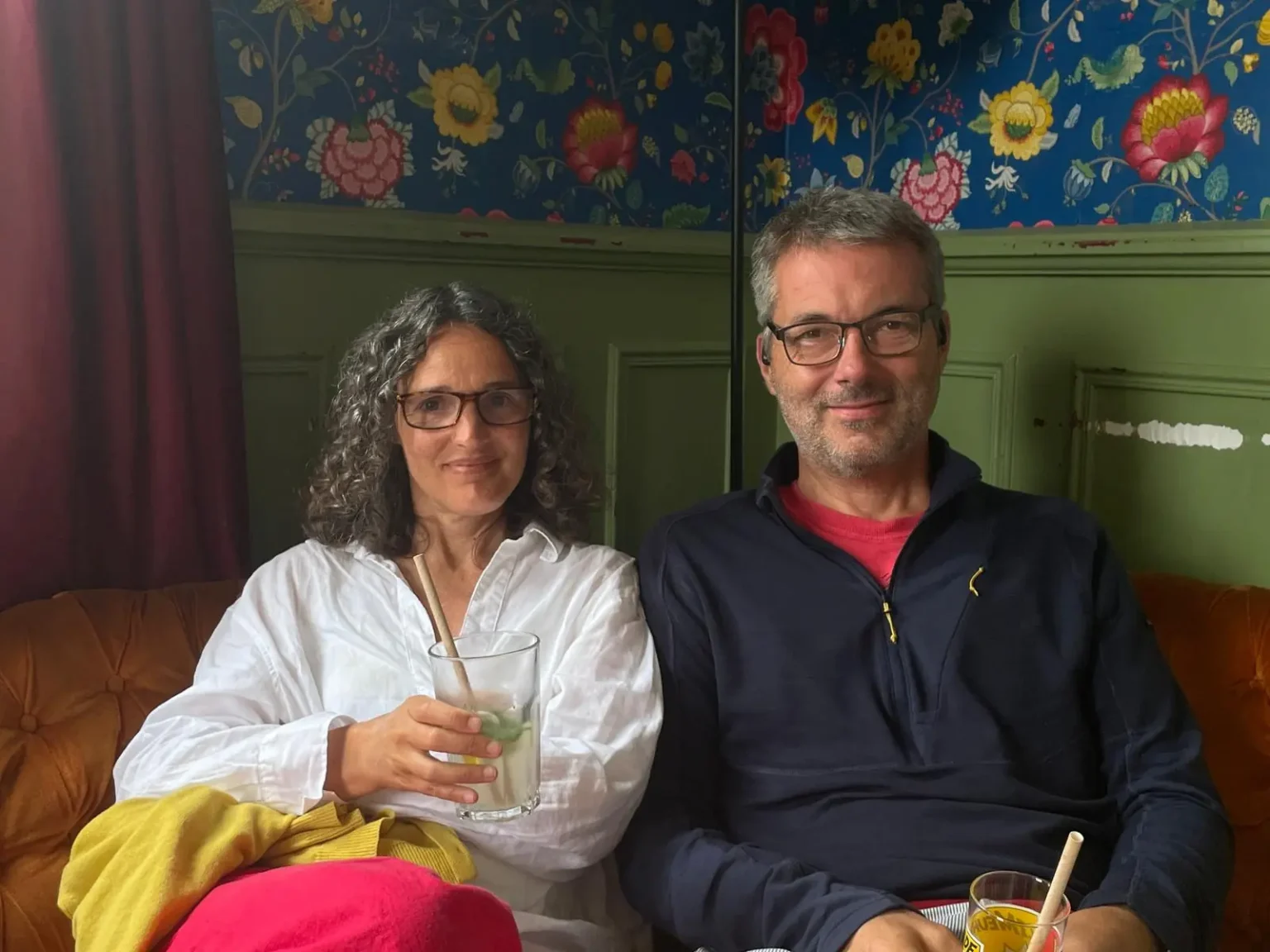
What type of fostering do you do?
“We have been Foster Carers for three years and have chosen to focus on supporting young people seeking asylum. We have looked after three young lads so far, from Eritrea, Iran and Afghanistan. They tend to be about 15 when they arrive, often after months or even years of travelling.”
What difference will it make to you now Chichester College Group has a fostering-friendly policy?
“It would be great to have additional leave for training. For West Sussex County Council we have to complete all kinds of mandatory courses, just like CCG! It would also be great to take some leave to be at home if we have a new child arriving. There are quite a few initial tasks to do like health and dental checks, which it would be nice to help out with.”
What first motivated you to become a Foster Carer?
“Two things…. firstly, teaching ESOL (English for Speakers of Other Languages) for a few years at Worthing College, I really enjoyed getting to know the young asylum seekers and refugees in the class. I liked their energy and enthusiasm, despite all the difficulties they had come through, and found them respectful, funny and eager to learn. Secondly, meeting Foster Carers through my safeguarding work and being struck by how worthwhile and valuable their role was.”
What do your other commitments look like?
“I work full time and have two girls who are just becoming independent adults. My wife is the primary Foster Carer and she has chosen to stop work to focus on the fostering and her other commitments. But many Foster Carers choose to work alongside.”
What wider support network do you have to call on?
“As well as our family and friends, we have loads of support from West Sussex County Council and from the fostering community. In addition to the child’s Social Worker, Foster Carers have their own Supervising Social Worker to support them in the role. We have a monthly support group and a very active WhatsApp chat. There is always someone to ask if we have a problem. Some friends have agreed to provide stayover care if we need a break.”
How do you manage your work-life balance and emotional availability?
“It’s not that different from being a regular parent! Every child is different, and the demands change accordingly. One child may want their independence and prefer to spend their evening with friends or working part-time. Another may prefer to stay at home and will really benefit from spending time with us. They are often suffering from the traumas they have experienced and sometimes need time to talk, and to know that they are understood and cared for. At other times they need to be kept busy, and we spend time working together on gardening or DIY.”
How has your background in education benefited the young people you care for?
“You might think that being an English teacher would be a big help with fostering young people seeking asylum, but strangely they have not been that keen to have extra English and Maths lessons at the end of the day! But working in the admissions team at CCG has certainly helped me to guide them with their college applications!”
Do you have any highlights, funny stories, or successes in fostering you’d like to share?
“Fostering young people seeking asylum is endlessly interesting and often hilarious. Just in the last week we have had fascinating debates around the dinner table about colonialism, theology and feminism! There was also a very confusing conversation in which our young lad kept on referring to the kitchen as the chicken! I found it pretty scary giving my own girls driving lessons but imagine doing it with someone who barely understands the language you are speaking!”
What would you say to someone working in education who is thinking about fostering?
“We decided to foster because we felt we had the capacity to cope with the demands of the particular kind of fostering we were interested in. There is nothing quite like the reward of seeing a young person who arrived feeling traumatised, homesick and lost, gradually build relationships with your family and start to feel safe and settled. Don’t get me wrong – it is a rocky road and full of frustration, disappointment and anxiety. Just like regular parenting! But it is impossible to regret having someone in your family whom you have grown to care for. We just want to do more.”